
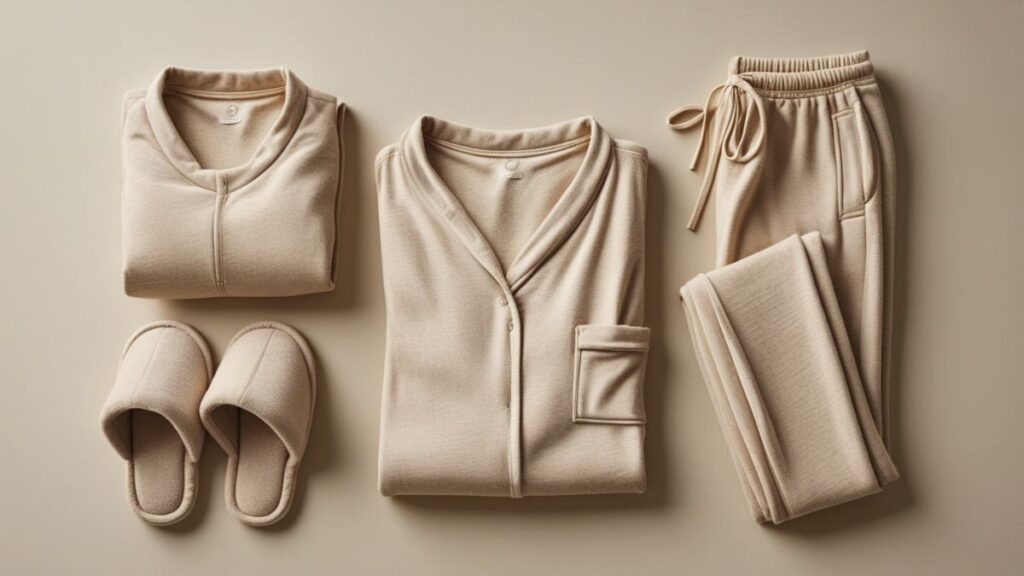
Introduction to Pyjamaspapper
When we think of comfort, one item often comes to mind: pyjamaspapper. These cozy garments have transcended their humble beginnings to become a staple in both loungewear and high fashion. Imagine slipping into soft fabric after a long day—pyjamaspapper are not just for bedtime anymore; they represent a cultural shift towards valuing relaxation and style simultaneously.
From their origins woven from rich history to modern-day trendy styles, the journey of pyjamas is fascinating. They embody more than just clothing; they reflect societal changes, personal expression, and evolving fashion norms. Join us as we delve deep into the captivating history of pyjamaspapper and explore how these beloved pieces have made an indelible mark on the world of fashion.
The Origins of Pyjamas
The origins of pyjamas can be traced back to the 19th century. They emerged from the traditional garments worn in South Asia. Originally, these loose-fitting trousers were designed for comfort and practicality.
In British colonial times, Europeans adopted this attire. The appeal lay in its relaxed fit and breathable fabric—perfect for warm climates. Soon after, pyjamas found their way into Western fashion.
By the late 1800s, they began appearing as nightwear across Europe and North America. No longer just a foreign concept, they started to symbolize leisure and relaxation at home.
As society evolved, so did the perception of pyjamas. What was once strictly sleepwear grew into a staple for lazy Sundays or cozy movie nights. This transformation reflects changing attitudes toward comfort versus formality in clothing choices.
Evolution of Pyjamas as Fashion
Pyjamas have traveled a long path from their humble beginnings. Originally designed for sleep, they gradually slipped into the realm of fashion. Early 20th-century styles embraced comfort and luxury, often adorned with elaborate patterns and soft fabrics.
The Roaring Twenties marked a turning point. Women began to wear pyjamas outside the home, challenging societal norms about nightwear. This bold move paved the way for stylish, chic designs that blurred the lines between day and night attire.
As decades passed, designers like Coco Chanel played a significant role in popularizing pyjamaspapper as fashionable pieces suitable for both lounging and socializing. The rise of casual culture in the late 20th century propelled them further into everyday wardrobes.
Today, high-end brands offer luxurious options while streetwear influences keep things fresh and trendy. Pyjamas now reflect personal style—a fusion of comfort and elegance that resonates across generations.
Historical Figures and Pyjama Trends
Historical figures have long embraced the cozy allure of pyjamaspapper, influencing fashion trends across the decades. In the early 20th century, artists and intellectuals adopted them as symbols of bohemian lifestyles.
Famous personalities like Virginia Woolf were often spotted in stylish loungewear while crafting their literary masterpieces. Pyjamas became more than sleepwear; they signified a relaxed approach to life and creativity.
The likes of Coco Chanel also played a pivotal role in popularizing pyjamaspapper during the roaring twenties. Her designs introduced luxurious fabrics and elegant cuts that transformed casual wear into high fashion.
Even men like King Edward VII contributed to this trend by sporting tailored sets at home, promoting comfort without compromising on style. Their choices encouraged society to embrace these garments beyond bedtime rituals, making pyjamaspapper an essential part of modern wardrobes.
Global Impact of Pyjamas on Fashion
Pyjamas have transcended their original purpose, evolving into a global fashion statement. Once relegated to the realm of sleepwear, they now grace runways and casual outings alike. Designers are incorporating luxurious fabrics and innovative patterns that redefine comfort and style.
Cultural influences play a significant role in this metamorphosis. From the vibrant prints of Indian kurtas to the sleek lines of Japanese loungewear, pyjamaspapper reflect diverse aesthetics across continents. This blend has sparked creativity within fashion communities worldwide.
Celebrities have embraced pyjamaspapper too, often spotted in chic ensembles during public appearances or on social media platforms. Their influence encourages fans to adopt these styles into everyday wardrobes.
As remote work gains traction, people seek comfortable yet fashionable attire at home. Pyjamas fit perfectly into this narrative—offering both ease and elegance for modern lifestyles while shaping trends globally.
Modern Day Pyjamaspapper: Designs and Styles
Modern pyjamaspapper reflect a delightful blend of comfort and style. With an array of designs available, they cater to every personal taste. From classic cotton sets to luxurious silk options, there’s something for everyone.
Bold patterns are in vogue. Floral prints, geometric shapes, and even quirky graphics dominate the market. These vibrant choices allow wearers to express themselves beyond traditional nightwear.
Sustainability also plays a significant role today. Many brands prioritize eco-friendly materials like organic cotton or bamboo fabric. This shift appeals to fashion-conscious consumers who value both style and ethics.
Loungewear has seen a surge in popularity as well. The boundary between sleepwear and casual day attire blurs more than ever before, making pyjamaspapper suitable for various occasions.
Athleisure influences add another layer of versatility with sporty styles often incorporated into pajama designs—because why not feel fabulous while cozying up at home?
Controversies Surrounding Pyjamaspapper
The world of pyjamaspapper isn’t without its controversies. One significant debate revolves around the appropriateness of wearing them in public spaces. While some see it as a bold fashion statement, others consider it too casual or even disrespectful.
Another aspect is the cultural appropriation often linked to various pyjama styles. Different regions have unique designs and meanings associated with their traditional sleepwear. When these elements are adopted without proper understanding, it can lead to misunderstandings and resentment among communities.
Moreover, sustainability issues plague the production of many popular pyjamaspapper brands. Fast fashion has made these cozy outfits widely accessible but at an environmental cost that’s hard to ignore.
Personal comfort versus societal norms also sparks heated discussions. What feels like freedom for one individual may clash with another’s sense of propriety in certain settings. This ongoing tension keeps the conversation dynamic and evolving.
Conclusion: The Enduring Legacy of Pyjamaspapper
The legacy of pyjamaspapper continues to thrive in contemporary fashion. What began as a practical garment has evolved into a symbol of comfort and personal expression. As society shifts towards valuing relaxation alongside style, the appeal of cozy wear remains undeniable.
From luxurious silk sets to playful cotton ensembles, today’s pyjamaspapper caters to every taste and occasion. Designers draw inspiration from various cultures, merging traditional elements with modern aesthetics. This fusion results in pieces that are not only comfortable but also visually striking.
Moreover, as more people embrace remote work and casual lifestyles, the line between loungewear and everyday attire blurs further. Pyjamaspapper is no longer confined to bedtime; it makes appearances at brunches, online meetings, and even social events.
Despite occasional controversies around appropriating cultural styles or challenges posed by fast fashion’s impact on sustainability, the charm of pyjamas endures. They symbolize comfort during tumultuous times while allowing for creativity in styling choices.
As we navigate an ever-changing world, the evolution of pyjamaspapper stands testament to our desire for both ease and elegance in daily life. Its journey reflects broader societal trends—one that values well-being without sacrificing style. The future looks bright for this timeless staple as it continues shaping wardrobes across generations worldwide.