
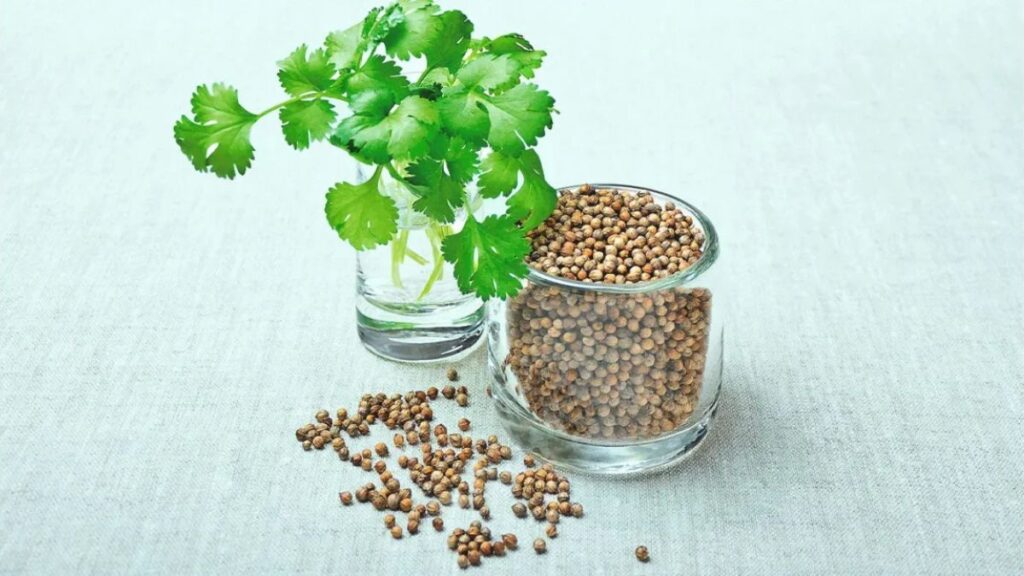
Introduction to Koriandri
Koriandri, also known as coriander or cilantro, is a vibrant herb often found in kitchens around the world. Its unique flavor profile adds depth to various dishes, making it a favorite among chefs and home cooks alike. But did you know that this aromatic plant is not just about taste? Packed with impressive health benefits, koriandri deserves a spot on your plate for more than just its culinary appeal.
Whether you’re sprinkling fresh leaves over tacos or infusing them into sauces, koriandri brings both flavor and nutritional perks to the table. Curious about how this humble herb can enhance your well-being? Let’s explore the many reasons to embrace koriandri as an essential ingredient in your diet today.
Nutritional Value and Health Benefits
Koriandri, also known as coriander, boasts an impressive nutritional profile. It is rich in vitamins A, C, and K. These nutrients play a vital role in maintaining healthy skin and boosting immunity.
The herb is packed with antioxidants that combat oxidative stress. This can help reduce the risk of chronic diseases. Its anti-inflammatory properties are beneficial for those suffering from arthritis or other inflammatory conditions.
Koriandri aids digestion by promoting gut health. It has been traditionally used to alleviate bloating and gas discomfort. The presence of essential oils contributes to its digestive benefits.
Moreover, koriandri may help lower cholesterol levels and support heart health. Incorporating this herb into your meals can enhance not just flavor but also overall well-being. Its versatile nature makes it suitable for various dishes while providing numerous health advantages.
How to Incorporate Koriandri into Your Diet
Incorporating koriandri into your diet is a flavorful adventure. Start by adding fresh koriandri leaves to salads for an aromatic twist. They brighten up any dish and introduce a refreshing zing.
For cooked meals, toss chopped koriandri into soups or stews during the last few minutes of cooking. This preserves its vibrant flavor while enriching the overall taste.
Smoothies can benefit from a handful of fresh leaves as well. Blend them with fruits like mango or pineapple for an unexpected yet delightful flavor combo.
Don’t forget about salsas! Mixing finely chopped koriandri in salsa adds depth and enhances the freshness of tomatoes and onions.
Experimenting with marinades? Koriandri pairs beautifully with lime juice, garlic, and olive oil to elevate grilled meats or vegetables.
Delicious Recipes using Koriandri
Koriandri adds a vibrant flavor to various dishes, making it a versatile ingredient in the kitchen. One simple way to enjoy its freshness is by tossing chopped koriandri into a salad. It pairs wonderfully with tomatoes, cucumbers, and avocados for an invigorating crunch.
For a heartier option, try blending koriandri into your favorite curry. Its earthy notes enhance the spices while providing a burst of color.
You can also make coriander pesto! Substitute traditional basil with fresh koriandri for a unique twist on this classic sauce. Drizzle it over pasta or spread it on sandwiches for extra zing.
If you’re feeling adventurous, make savory koriandri pancakes. Just mix ground chickpeas with water and diced koriandri before frying them up until golden brown—deliciously crispy!
Potential Side Effects and Precautions
While koriandri is celebrated for its health benefits, it’s essential to be aware of potential side effects. Some individuals may experience allergic reactions, leading to symptoms like skin rashes or respiratory issues.
Pregnant or breastfeeding women should exercise caution. Though koriandri is generally safe in culinary amounts, it’s best to consult with a healthcare provider before making significant changes.
If you’re on medication for diabetes or blood thinners, koriandri might interact with these treatments. Monitoring your body’s response when introducing this herb into your diet is crucial.
Additionally, excessive consumption could lead to gastrointestinal discomfort. Always listen to your body and adjust accordingly if you notice any adverse effects from incorporating koriandri into your meals.
Comparing Koriandri to Other Herbs and Spices
Koriandri, often known as coriander, stands out among herbs for its unique flavor profile. Unlike basil or parsley, which add subtle notes to dishes, koriandri introduces a bright and citrusy zest that can elevate any meal.
When compared to cumin, another popular spice in many cuisines, koriandri offers a fresh contrast. Cumin has an earthy depth while koriandri brings lightness and freshness.
In the realm of healing properties, thyme is celebrated for its antiseptic qualities. Koriandri shares some benefits but excels in digestion support due to its carminative properties.
Unlike oregano or rosemary with their robust fragrances, koriandri’s aroma is more delicate yet still powerful enough to enhance various culinary creations. Its versatility makes it a favorite among chefs globally.
Conclusion: The Power of Koriandri for Your Health
Koriandri is more than just a flavorful herb. Its rich nutritional profile and array of health benefits make it a valuable addition to any diet. From aiding digestion to boosting your immune system, incorporating koriandri can enhance not only the taste of your meals but also your overall well-being.
With its versatility in both cooking and fresh preparations, adding koriandri to salads, soups, or even smoothies can introduce exciting flavors while promoting health. The potential side effects are minimal for most people; however, being mindful of individual sensitivities is always wise.
As you explore different herbs and spices in your culinary journey, consider how koriandri stands out among them. Its unique taste combined with its numerous advantages makes it an excellent choice for enhancing everyday dishes.
By embracing koriandri today, you unlock a wealth of flavor and nutrition that supports better health outcomes over time. Give this incredible herb a try—you might find it’s just what you’ve been looking for!