Introduction
Few fishing vessels are as iconic to river anglers as drift boats. Designed specifically for navigating shallow rivers and controlled downstream drifting, these boats have become essential tools for fly fishing guides and dedicated anglers.
Unlike motorboats or traditional fishing boats, drift boats are built to move with the current while remaining stable and maneuverable. Their unique hull shape allows rowers to pivot quickly, avoid obstacles, and position anglers perfectly for casting.
Today, drift boats are widely used on rivers across North America and beyond. Whether you’re chasing trout, steelhead, or salmon, these boats offer an efficient way to cover long stretches of water while maintaining precise control.
In this guide, you’ll learn what drift boats are, how they work, the different types available, and how to choose the right one for your fishing style.
What Are Drift Boats?
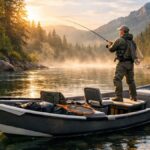
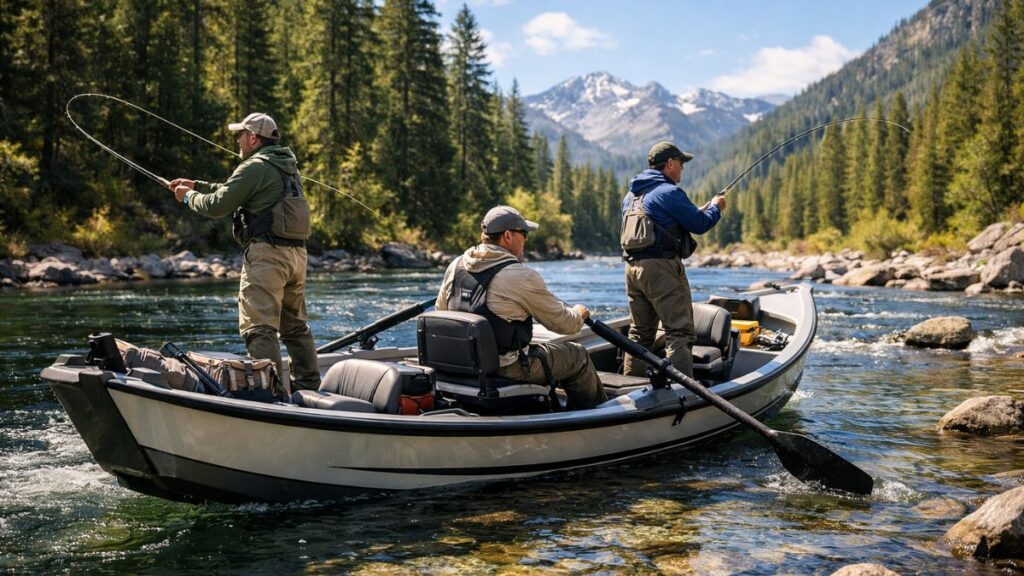
Drift boats are specialized river boats designed to float downstream while anglers fish from a stable platform. They are typically operated by a rower positioned in the center seat, who uses long oars to control direction and speed.
Key Characteristics of Drift Boats
Several design elements make these boats unique:
-
Flat or slightly curved bottom for shallow water navigation
-
High sides to handle river currents and waves
-
Wide beam for improved stability
-
Raised bow and stern to ride over waves
-
Central rowing station for maximum control
Because of these features, drift boats excel at navigating rivers that contain rocks, riffles, and moderate rapids.
How Drift Boats Work
Instead of using motors, the rower controls movement by:
-
Pulling oars to slow the boat
-
Back-rowing to maintain position
-
Pivoting the boat to guide anglers into ideal casting angles
This system allows the boat to move naturally with the river current while still offering excellent maneuverability.
The History of Drift Boats
The origins of drift boats date back to the early 1900s in Oregon’s McKenzie River region. Guides needed boats that could navigate shallow, rocky rivers while safely transporting anglers.
The solution was the McKenzie River drift boat, a design that remains influential today.
Evolution of the Design
Early boats were built entirely from wood. Over time, materials evolved to include fiberglass and aluminum, making boats lighter, stronger, and easier to maintain.
Despite these changes, the basic hull shape remains largely unchanged because it performs exceptionally well in moving water.
Types of Drift Boats
Not all drift boats are the same. Different materials offer varying benefits depending on where and how you fish.
Common Drift Boat Materials
| Boat Material | Advantages | Considerations |
|---|---|---|
| Wood | Classic look, smooth ride, quiet on water | Requires regular maintenance |
| Fiberglass | Durable, low maintenance, smooth glide | Heavier than aluminum |
| Aluminum | Extremely tough, lightweight | Can be noisy on rocks |
| Hybrid (Composite) | Strong and lightweight combination | Higher price |
Each type serves a specific purpose depending on fishing conditions and personal preference.
Choosing the Right Material
-
Wood appeals to traditional anglers and collectors.
-
Fiberglass is popular among fly fishing guides.
-
Aluminum works well for rugged rivers with many rocks.
-
Composite models balance durability with weight savings.
Why Anglers Prefer Drift Boats
Drift boats provide several advantages that make them perfect for river fishing.
Key Benefits
-
Access remote stretches of river
-
Cover large areas of water efficiently
-
Position anglers for accurate casts
-
Navigate shallow or rocky rivers
-
Stable fishing platform
These benefits make drift boats particularly popular among professional guides.
Situations Where They Excel
Drift boats work best in:
-
Trout rivers
-
Steelhead streams
-
Salmon runs
-
Large Western rivers
-
Fly fishing environments
Because the rower controls the boat’s position, anglers can focus entirely on fishing.
Drift Boat Size Guide
Choosing the right boat size is important for safety and performance.
| Boat Length | Typical Capacity | Best Use Case |
|---|---|---|
| 13–14 ft | 1–2 anglers | Small rivers |
| 15–16 ft | 2 anglers + rower | Most common size |
| 17–18 ft | 3 anglers + rower | Large rivers |
Most professional guides prefer 16-foot drift boats because they offer a great balance of maneuverability and space.
Essential Drift Boat Features
Modern boats include several features designed to improve comfort and fishing performance.
Standard Equipment
Most drift boats include:
-
Rowing frame with adjustable seat
-
Anchor system
-
Elevated casting platforms
-
Storage compartments
-
Rod holders
These elements help anglers stay organized and comfortable during long days on the river.
Optional Upgrades
Some boats include premium additions such as:
-
Lean bars for casting support
-
Fish finders or GPS units
-
Cooler seating
-
Custom storage boxes
These upgrades are common in guide boats used for commercial trips.
Pros and Cons of Drift Boats
Before purchasing one, it’s helpful to understand the advantages and limitations.
Pros
-
Excellent river control
-
Stable fishing platform
-
Quiet movement through water
-
Ideal for fly fishing
-
Durable construction
Cons
-
Requires rowing skill
-
Not suitable for lakes or open water
-
Limited passenger capacity
-
Transportation requires a trailer
For river anglers, however, the benefits typically outweigh the drawbacks.
Common Mistakes When Using Drift Boats
Many beginners make avoidable errors when first using drift boats.
1. Poor Boat Positioning
Drift boats must be positioned upstream of fishing targets. Waiting too long reduces casting opportunities.
2. Ignoring River Reading
Rowers must constantly monitor currents, rocks, and drop-offs.
3. Improper Anchor Use
Anchoring in strong current can flip a boat. Always anchor in slower water.
4. Overloading the Boat
Too much weight reduces maneuverability and increases risk in rough water.
Learning proper rowing technique greatly improves safety and fishing success.
Best Practices for Fishing from Drift Boats
Experienced anglers follow several strategies to maximize success.
Key Drift Boat Fishing Strategies
| Strategy | Why It Works | Example |
|---|---|---|
| Controlled drifting | Keeps flies in strike zone longer | Trout runs |
| Bank casting | Fish often hold near structure | Under cut banks |
| Leap-frogging spots | Cover water efficiently | Steelhead rivers |
| Back-rowing | Maintain ideal casting position | Deep pools |
These techniques allow anglers to fish large river sections efficiently.
Additional Tips
-
Always wear a life jacket
-
Keep gear secured inside the boat
-
Practice rowing before fishing fast water
-
Study river maps before launching
Preparation ensures a safer and more productive trip.
Conclusion
Drift boats remain one of the most effective tools for river anglers. Their unique design allows rowers to guide anglers through shallow, rocky water while maintaining exceptional control.
Whether you’re fly fishing for trout or targeting steelhead on large rivers, these boats provide a stable and versatile fishing platform.
From classic wooden models to modern fiberglass designs, drift boats continue to evolve while preserving the core principles that made them famous.
For anglers who love river fishing, investing in the right drift boat can open up miles of water and countless new fishing opportunities.
FAQs
What are drift boats used for?
Drift boats are primarily used for river fishing. They allow anglers to drift downstream while a rower controls the boat’s direction and speed.
Are drift boats good for fly fishing?
Yes. Drift boats are widely considered one of the best platforms for fly fishing on rivers.
How many people fit in a drift boat?
Most drift boats carry two anglers and one rower, though larger models can accommodate additional passengers.
Can drift boats use motors?
Traditional drift boats do not use motors. However, some models can attach small outboard motors for flat water sections.
Are drift boats safe?
Yes, when used correctly. Safety depends on rowing skill, river knowledge, and proper equipment.
Discover more fishing tips, expert angling techniques, and gear guides to improve your next catch — only on Kype Magazine.