
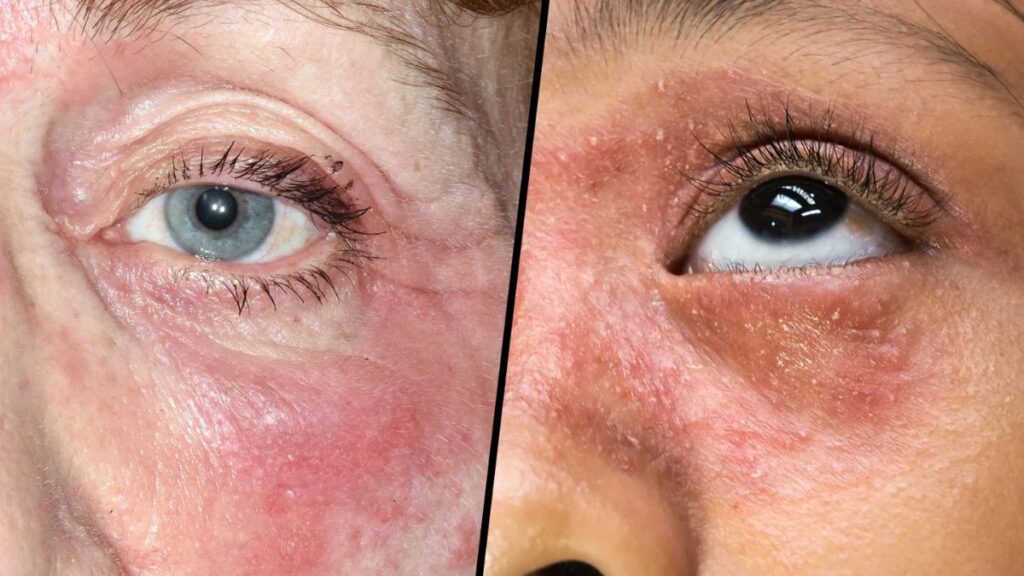
Living with eczema can feel like navigating a minefield. One moment, your skin may seem perfectly fine, and the next, you’re grappling with irritation and discomfort. It’s a daily challenge that many face, but you’re not alone in this journey. Understanding your condition is the first step toward finding relief and reclaiming control over your life. From identifying triggers to exploring effective treatments, there are numerous strategies to manage eczema effectively. Let’s dive into practical tips that can help ease your symptoms and improve your overall well-being while living with exzemen.
What is Eczema?
Eczema is a chronic skin condition that causes inflammation, redness, and itchiness. It’s not just one specific ailment; rather, it encompasses several types of dermatitis. Atopic dermatitis is the most common form and often begins in childhood.
The exact cause remains unclear but involves a mix of genetic and environmental factors. Those with eczema may have a compromised skin barrier, allowing moisture to escape while letting irritants seep in.
Eczema can present itself differently among individuals. Some experience mild patches that come and go, while others endure persistent flare-ups affecting large areas of their body.
Living with eczema means understanding your unique triggers—be it allergens, stressors or changes in weather—and how they impact your skin health over time. This knowledge empowers you to manage your symptoms effectively as you navigate daily life with exzemen.
Common Triggers and Symptoms
Eczema can often feel like a mystery. Understanding its triggers is key to managing this skin condition.
Common culprits include environmental factors such as dust mites, pollen, and pet dander. These allergens can provoke flare-ups in sensitive individuals.
Certain foods may also play a role. Dairy products, nuts, and gluten are known to trigger reactions in some people with eczema. Keeping a food diary might help you identify patterns.
Stress is another significant factor that shouldn’t be overlooked. Many find that anxiety or emotional distress exacerbates their symptoms.
Symptoms of eczema vary widely but typically include red, itchy patches on the skin. Dryness and cracking are common too, leading to discomfort and irritation throughout the day.
Recognizing these triggers early can empower you to take control of your skin health more effectively.
Medical Treatments for Eczema
When managing exzemen, medical treatments play a crucial role. Dermatologists often prescribe topical corticosteroids to reduce inflammation and itching. These creams or ointments can provide significant relief when applied directly to affected areas.
For more severe cases, doctors may recommend systemic medications. These include oral steroids or immunosuppressants that help control the immune response responsible for flare-ups.
In recent years, biologic therapies have emerged as innovative solutions for chronic eczema sufferers. These targeted treatments focus on specific pathways in the immune system, offering hope where traditional methods fall short.
Phototherapy is another option worth considering. Controlled exposure to ultraviolet light can help calm inflamed skin and promote healing over time. Each treatment has its own benefits and potential side effects, making it essential to work closely with a healthcare provider for tailored advice and monitoring throughout your journey with exzemen.
Natural Remedies for Eczema Relief
Many people seek relief from eczema through natural remedies. These options can complement traditional treatments and provide soothing effects.
Coconut oil is a popular choice. Its moisturizing properties help repair the skin barrier, reducing dryness and irritation. Applying it regularly may ease flare-ups.
Another effective remedy is oatmeal baths. Colloidal oatmeal can calm inflamed skin and alleviate itching. Just add it to warm water for a relaxing soak that nourishes your skin.
Aloe vera gel offers cool relief too. Known for its anti-inflammatory benefits, applying fresh aloe directly to affected areas may promote healing while providing moisture.
Chamomile tea bags are worth considering as well. After steeping, cooled bags can be placed on irritated patches for a gentle calming effect.
Remember, everyone’s skin reacts differently to these remedies. It’s essential to test small areas first before fully incorporating them into your routine.
Lifestyle Changes to Manage Eczema
Making small lifestyle changes can significantly impact managing eczema. Start with your diet; incorporating anti-inflammatory foods like fatty fish, fruits, and vegetables may help reduce flare-ups.
Hydration is crucial. Drink plenty of water daily to keep your skin moisturized from the inside out. Additionally, consider using a humidifier in dry environments to maintain moisture levels in the air.
Pay attention to fabrics too. Opt for soft, breathable materials like cotton instead of rough or synthetic fibers that can irritate sensitive skin.
Also, adjust your bathing routine. Use lukewarm water instead of hot showers and limit bath time to avoid stripping natural oils from your skin.
Stress management plays a key role as well. Techniques such as yoga or meditation can help you cope better with emotional triggers associated with eczema flare-ups.
Coping with Emotional Impact of Eczema
Living with eczema can take a toll on your emotions. The visible symptoms often lead to feelings of self-consciousness and anxiety.
Many people experience frustration when flare-ups disrupt daily life. The unpredictability of the condition can create stress, affecting both mental well-being and social interactions.
Finding a support network is crucial. Connecting with others who understand your struggles provides comfort and validation. Sharing experiences can help alleviate feelings of isolation.
Mindfulness techniques such as meditation or yoga might offer relief too. These practices encourage focus on the present, helping to reduce anxiety linked to skin issues.
Consider speaking with a therapist if you’re feeling overwhelmed. Professional guidance can provide coping strategies tailored specifically for you, enhancing emotional resilience in the face of eczema challenges.
Remember, it’s okay to feel upset or frustrated about your condition; acknowledging these emotions is an important part of managing them effectively.
Support and Resources for Those Living with Eczema
Living with exzemen can feel isolating, but you’re not alone. Many organizations offer support and resources tailored for individuals affected by this condition.
The National Eczema Association provides a wealth of information on managing symptoms, treatment options, and connecting with others who understand your journey. Their online community forums allow for sharing experiences and advice.
Local support groups can also be invaluable. Meeting up with people facing similar challenges fosters connection. It’s an opportunity to learn from each other while building friendships.
Online platforms like social media have numerous groups dedicated to exzemen awareness. These spaces encourage open conversations about coping strategies, product recommendations, and emotional support.
Consider reaching out to healthcare providers specializing in skin conditions. They can guide you towards additional resources that fit your unique needs.
Conclusion
Living with exzemen can be a challenging experience. However, understanding the condition and its triggers is crucial for managing it effectively. Whether you opt for medical treatments or explore natural remedies, finding what works best for your skin is essential.
Embracing lifestyle changes can significantly improve your quality of life while living with exzemen. Simple adjustments in diet, stress management techniques, and skincare routines can make a noticeable difference.
Don’t underestimate the emotional impact that this condition can have on your daily life. Seeking support from friends, family, or online communities can provide comfort and reassurance during difficult times.
Remember that you are not alone in this journey; many resources are available to guide you as you navigate through living with exzemen. Stay informed and proactive about managing your symptoms to lead a fulfilling life despite the challenges posed by eczema. Keep exploring options and listening to your body—it’s all part of taking charge of your health.